




SALALAH: The Ministry of Agriculture, Fisheries and Water Resources is pressing ahead with efforts to diversify the agricultural production base and tap the comparative advantages of Oman’s governorates, introducing high‑value cash crops to boost food security, raise farmers’ incomes and create sustainable investment opportunities in rural areas.
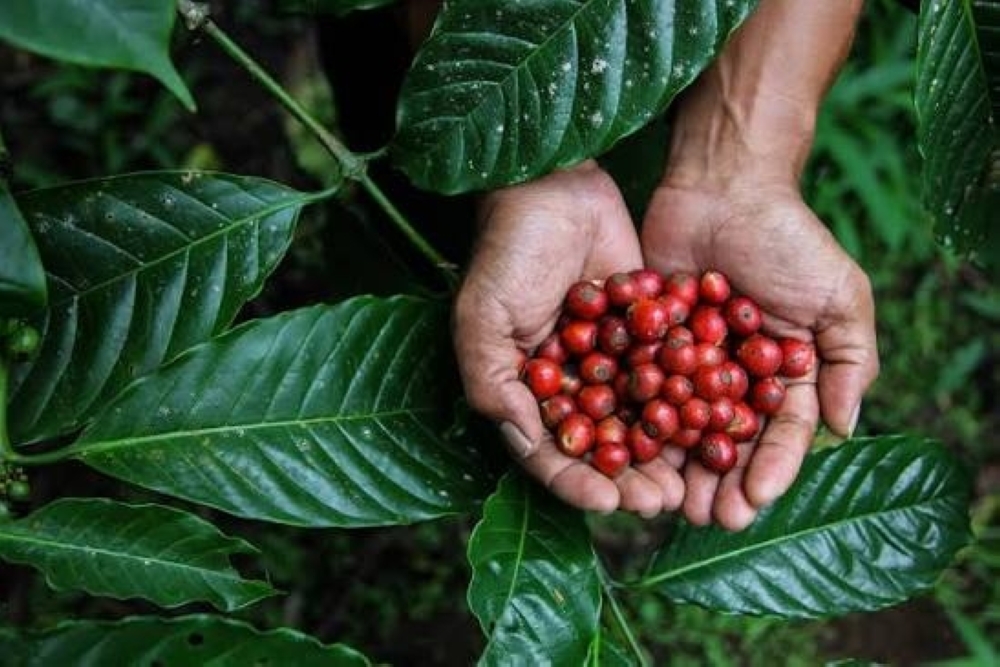
Mountain agriculture in Dhofar Governorate is emerging as a promising sector, with its unique climate and environment making it ideal for premium crops such as Arabica coffee.
Eng Radhwan bin Abdullah al Ibrahim, Director of the Agricultural Development Department in Dhofar and Project Manager for the Arabica coffee initiative, said the project is a strategic move to harness the governorate’s natural resources and revive a crop that could become a new economic pillar for farmers and investors.
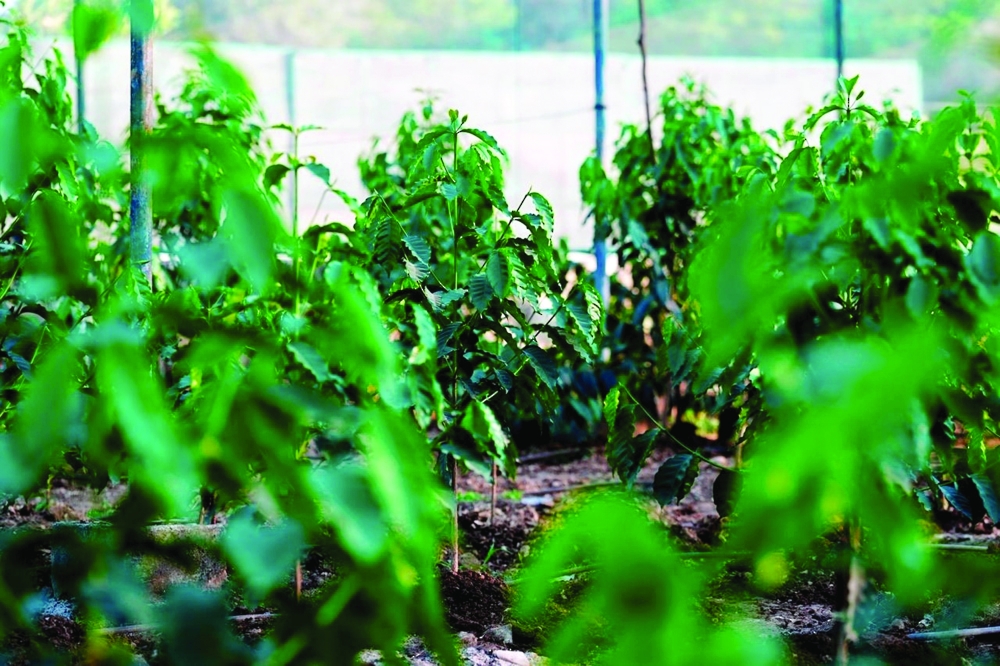
The first phase began in October 2025, coinciding with Omani Agriculture Day, he said. The project provides seedlings, technical support, training on modern farming practices, and assistance with planting holes and irrigation systems to improve water efficiency and sustainability.

He added that the initiative follows earlier turmeric and ginger projects launched in 2022 and 2023, and marks a new phase in developing mountain agriculture and high‑value crops.
He pointed out that trials in the Qairoon Hairiti area had already shown success with Arabica varieties, particularly the Adeni and Al Dawairi types, strengthening the case for expansion across the governorate.
He said that the first phase targeted 30 farmers in Salalah, Taqah and Mirbat. A second phase is underway, reaching 20 additional farmers, bringing the total to 50 beneficiaries. The project will run until the end of 2028, with a third phase planned for late 2026 to expand both the number of farmers and the cultivated area.
Beyond boosting production, he affirmed that the project aims to create a new economic activity in mountainous areas, enhance farm incomes and open investment opportunities in Omani coffee production and marketing, adding value to the agricultural sector and supporting sustainable development in Dhofar Governorate.
He concluded that the Arabica coffee project offers a model for future agricultural ventures that combine economic viability with environmental sustainability, turning local natural resources into long‑term economic and social benefits. - ONA
Oman Observer is now on the WhatsApp channel. Click here